
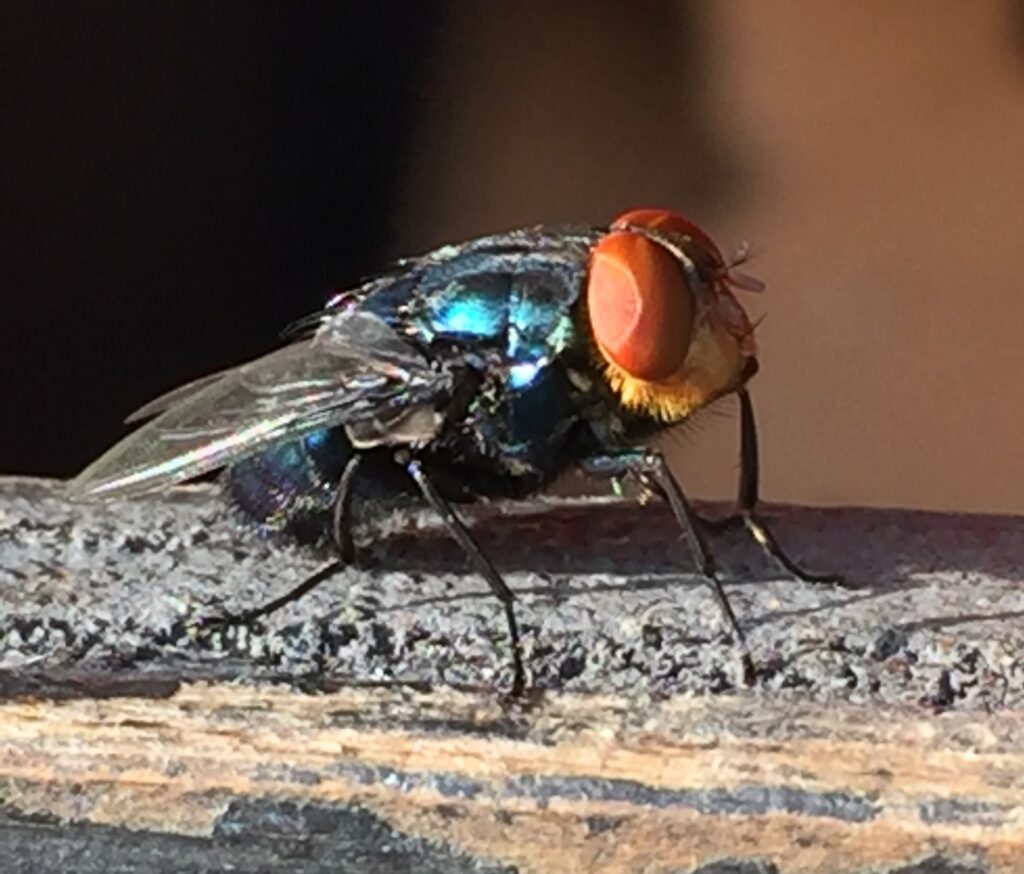
USDA photo
On Oct. 21, the Texas Parks and Wildlife Department (TPWD) received confirmation of a detection of New World screwworm (NWS) in a hunter-harvested female elk in Pecos County. Officials at the ARS Knipling-Bushland U.S. Livestock Insects Research Laboratory in Kerrville identified and confirmed a sample taken from the elk as NWS.
“We encourage all hunters and landowners to be vigilant for signs of New World screwworm while they are out in the field this season,” said Alan Cain, Wildlife Division Director. “The partnership between TPWD biologists and local hunters and landowners expedited the identification and confirmation of this new detection.”
The Texas Animal Health Commission (TAHC) will modify a previously established infested zone. The U.S. Department of Agriculture (USDA) and TPWD are conducting additional wildlife surveillance in the area.
Infestation signs
TPWD offcials encourage all hunters to inspect their harvest before field dressing or moving the carcass. Hunters should look for animals that might show signs of infestation, such as:
- Irritated or depressed behavior
- Loss of appetite
- Head shaking
- Smell of decaying flesh
- Presence of fly larvae (maggots) in wounds
- Isolation from other animals or people
Hunter inspection steps
Once an animal is harvested, hunters should inspect:
- Eyes, ears, nose, mouth, genitalia and any mucous membranes.
- Run your hands along the body of the animal and check the feet and between the toes looking for any wounds that might have a foul smell or maggots.
A video on how to inspect your harvest for NWS is available online. Hunters and landowners can find additional information in the TPWD New World Screwworm Guide for Hunters and Landowners.
Notify officials
If you suspect a wild animal has an NWS infestation, contact your local TPWD wildlife biologist or call 512-389-4505 immediately.
Report suspected cases in livestock and companion animals: TAHC — Region Office or the Veterinarian on Call 1-800-550-8242.
For more information and resources, visit screwworm.texas.gov. —courtesy TPWD